

We caught up with Randy Nakajima, VP of Brand & Marketing at 100 Thieves (co-owned by Drake) on the state of gaming merch.
GTA VI is on fire with its rollout.
Last month, it released a 27-minute extended look on Netflix, ranking as the #1 film in 87 of 93 countries and 31.1M views in three days. It followed up with a Miami Heat x Vice City link-up, to be debuted on the night they host the Milwaukee Bucks, which feels perfectly timed with Giannis Antetokounmpo’s arrival. Then there’s the music, with original tracks from Travis Scott, Yung Lean and PinkPantheress among the names attached – GTA VI radio already feels lived in without one minute of logged gameplay.
Then came the merch. And yeah…cue the “wasted” kill screen.
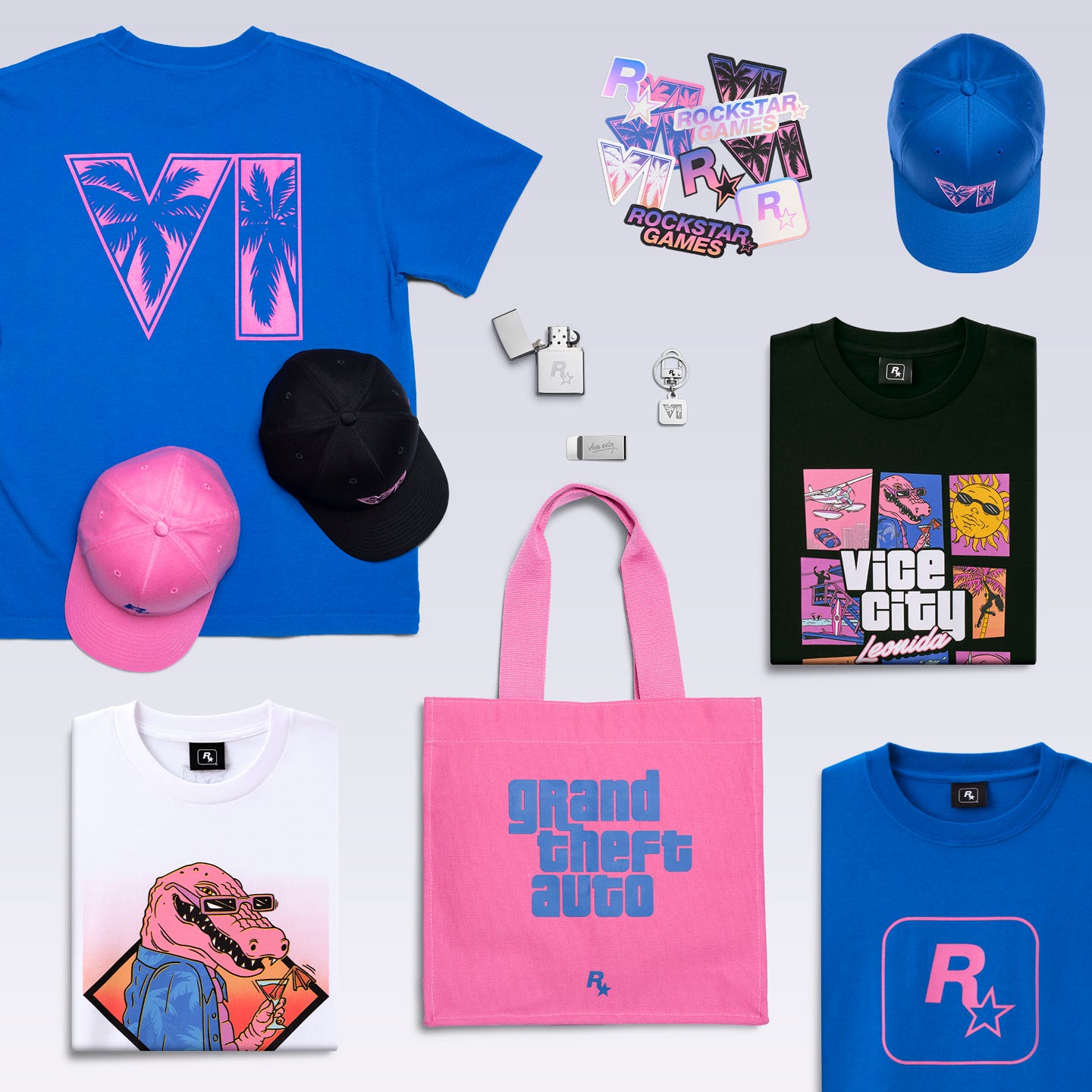
What happened? How did the most culturally relevant game of all time arrive at something so corporate? Actually, the problem runs much deeper than GTA VI alone. Publishers have worlds full of extraordinary art, devoted audiences and mountains of information about how people play. Yet so much official merch arrives as the same printed t-shirt, the same crest hoodie, the same cautious colour palette, built for scale not substance.
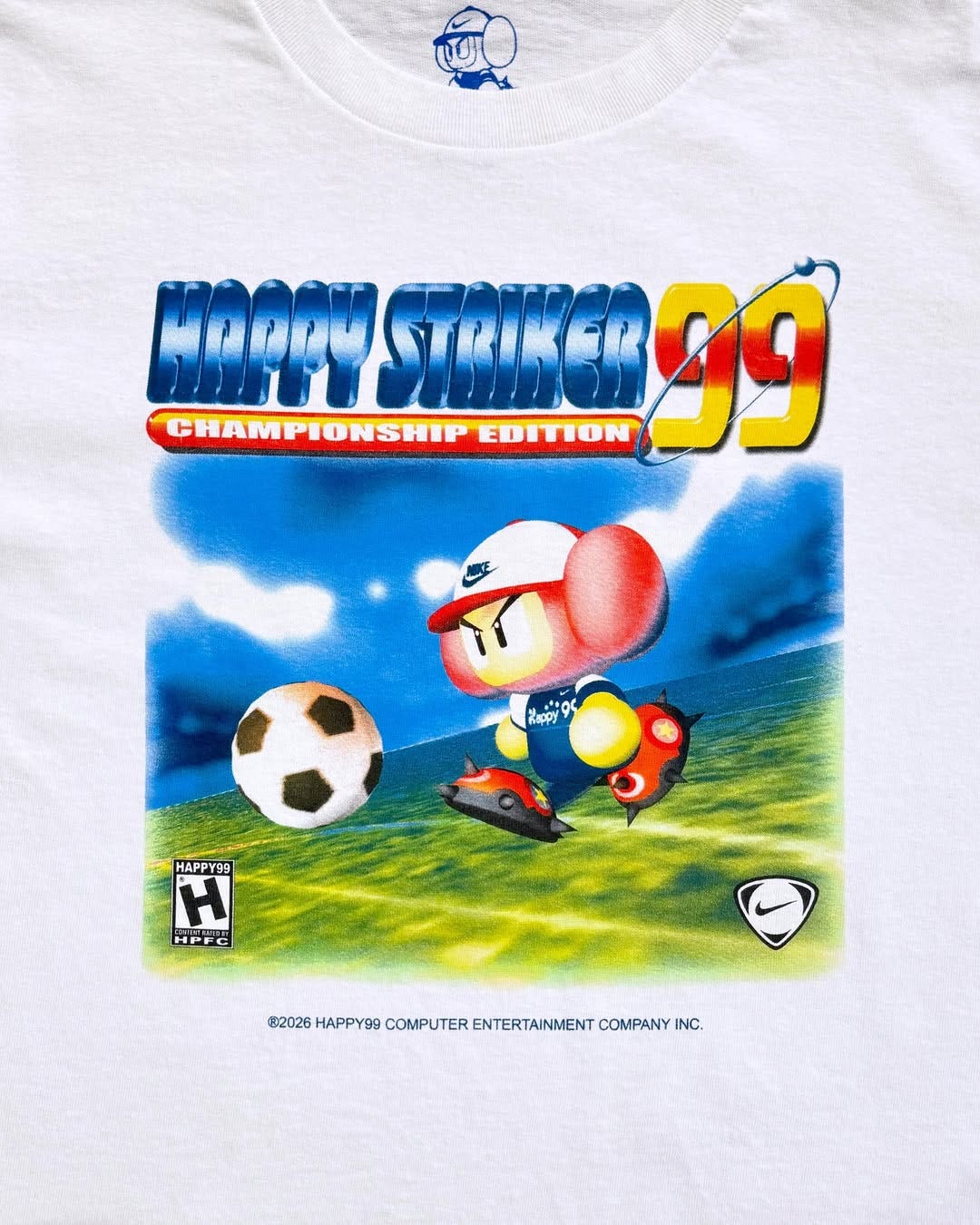
Meanwhile, independents like HIDDEN.NY, Happy99 and WWESH are taking gaming references and folding them into worlds of their own. Familiar logos, characters and visual languages become part of a bigger story. Some of these brand worlds feel like they should come with their own playable disc. You could happily get stuck in them for 100+ hours.
Publishers & The Default Inventory Dilemma
Playing it safe has become the playbook.
“Have you ever worked with a licensor or IP partner on a collaboration before? It’s typically not the most creatively liberating process in that you have extremely strict brand and style guidelines to follow, along with multiple rounds of feedback from everyone from the partner’s brand, marketing, and legal teams - often leading to an uninspiring product,” says Nakajima. 100 Thieves and Mike Sunday dive deep into this conundrum below.
Beyond this, licensing expenses have shot through the roof, backing quality into a corner with 5% on its health bar. Additionally, player data has acted as more of a bottom-line justifier, less an imaginative catalyst.
Industry analysts and financial estimates place the total development budget for GTA VI between $1 billion and $1.5 billion. That would make it the most expensive video game ever produced and live servicing hasn’t even started yet. So when Take-Two (GTA VI’s parent company) licenses the game to a merch manufacturer, it’s fair to assume that the right to use its characters and branding comes with astronomical costs. Then comes royalties, guarantees, production, distribution: everyone needs their cut before the customer gets to even inspect the stitching. Those pressures can encourage cheaper blanks, simpler construction, cost-effective fabrics and common templates that are easy to produce at scale. “I think merch that comes from publishers directly is usually overtly safe and generally for mass markets,” says Nakajima.
Keeping the collection low cost for AAA video games isn’t a choice, it’s a necessity. That’s why a survival-horror T-shirt might require its own survival strategy after a few washes.
On the creative side, swathes of player data has become a predictability trap for gaming merch. The ally turned foe.
Knowing your audience can help you make something they already buy. It can also make it harder to justify something they haven’t already bought. If players in GTA V have always bought the same fitted black cap in-game, there’s a calculated bet that a physical version of that fitted cap would work for a GTA VI collection with a logo slapped on the front. It seems logical, but it’s not necessarily the correct answer.
As a result, the collection follows what’s already legible, rather than offering something worth developing a taste for. It then assumes the audience will be happy with just wearing a billboard-come-t-shirt. The depth of in-game lore, character styles and player stories that could serve as exciting merch canvases are ignored in lieu of lifeless logic that speedruns through internal approval rounds.
It hasn’t always been this way.
There’s plenty of vintage gaming merch that cuts deeper. And not just for “nostalgia” sake. Owen Hyatt, one of the internet’s most devoted vintage gaming merch aficionados has a knack for finding such pieces. Recently, he pulled a Halo 3 ODST tee that referenced the film Apocalypto in its graphic treatment. This niche nod by Xbox came from an intuitive understanding of the fan crossover between the film and game – not a spreadsheet.
Examples like this carry a counter-culture perspective – don’t just rip, recontextualise. And that’s why the bootleg scene is winning.
Boot Up The Bootlegs
The best gaming bootlegs carry a spirit that streetwear has understood for decades: take something familiar and make it surprising.
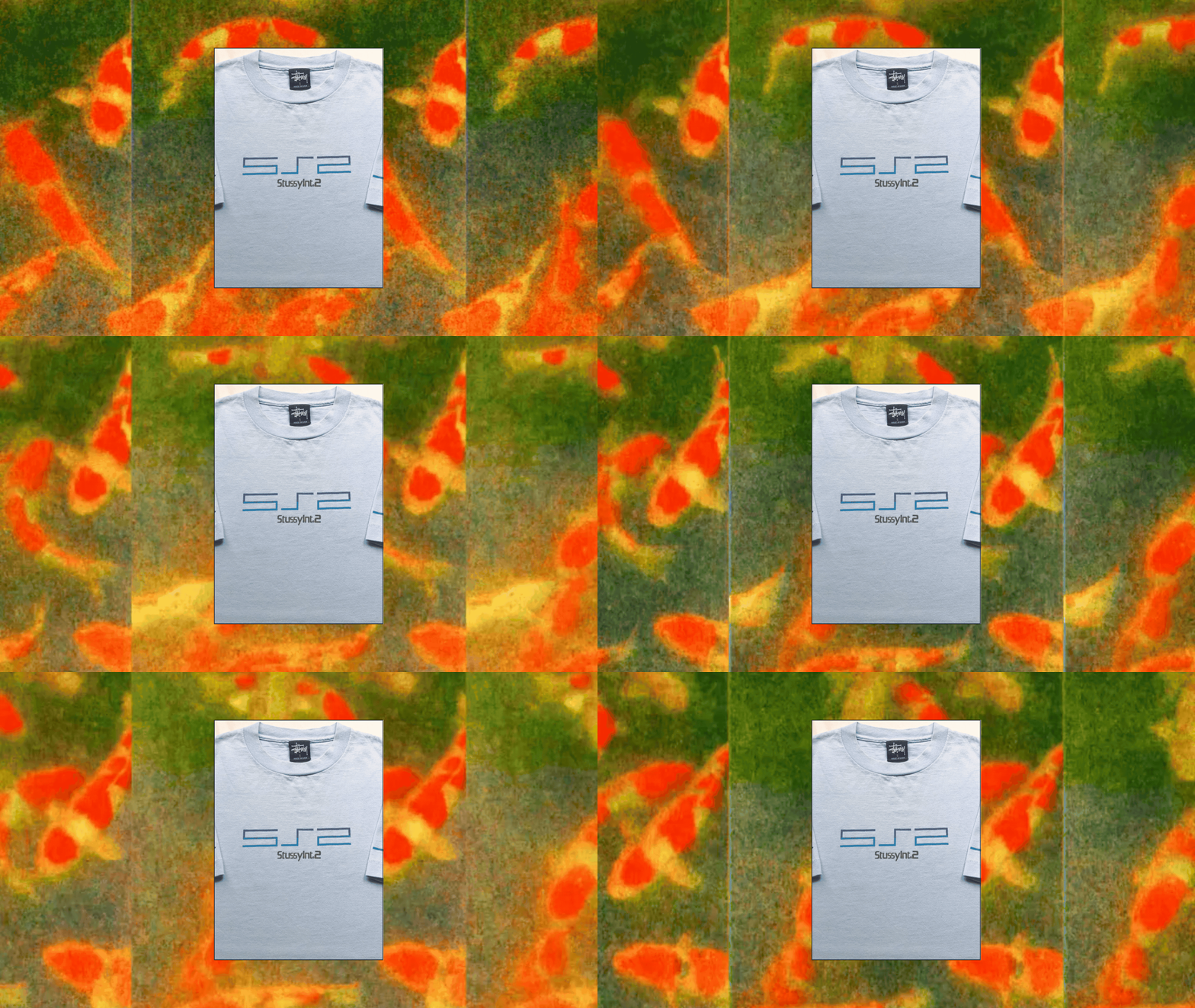
“We’ve seen apparel brands take cues from gaming from the very genesis of graphic tees’ popularity, particularly in streetwear. Think about Stussy’s “StussyInt.2” nod to PlayStation in the early 2000’s,” says Nakajima.
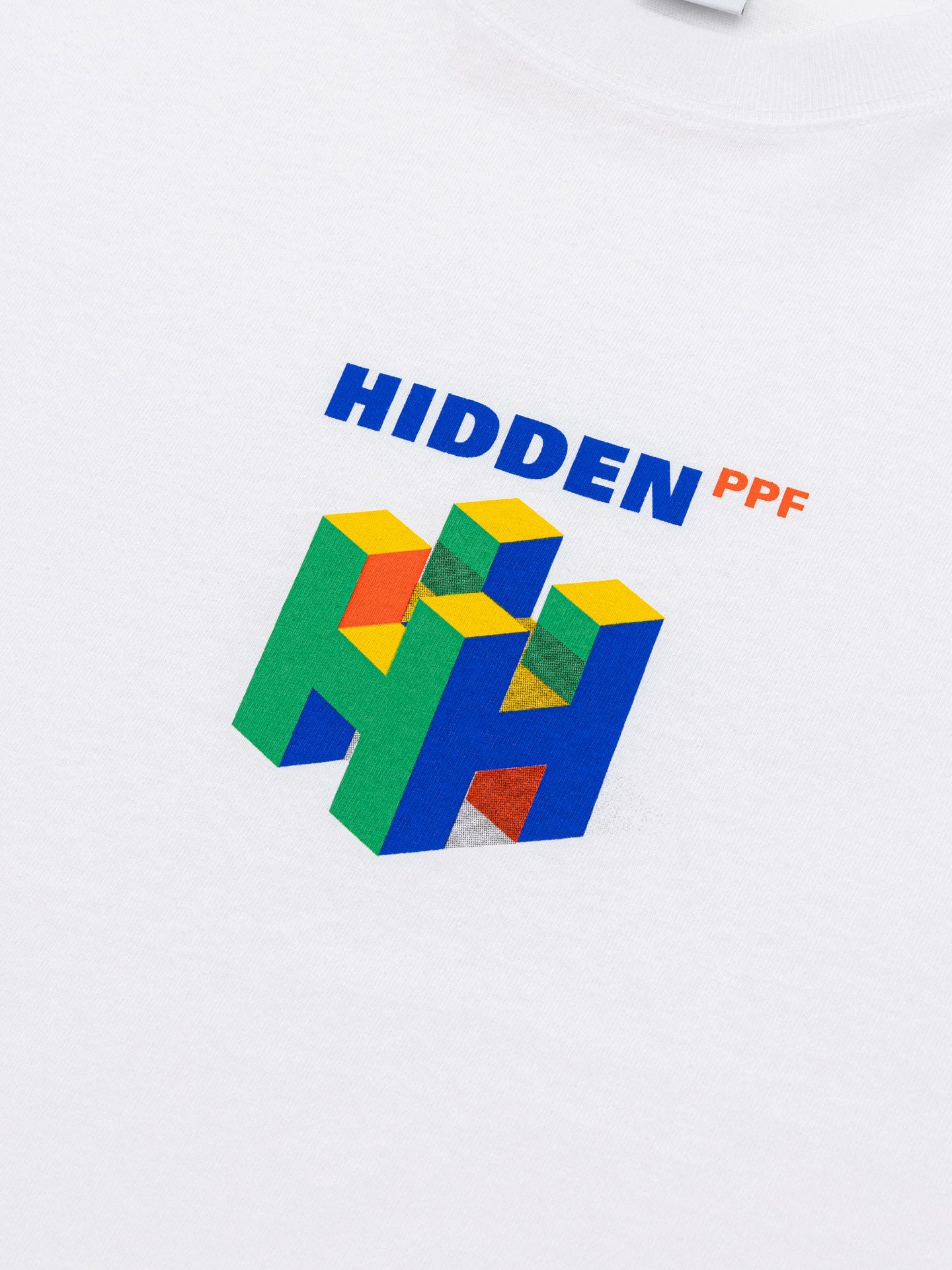
A small adjustment can produce a huge shift in meaning. A Nintendo 64-style mark or Final Fantasy-like title treatment already carries years of associations. When HIDDEN.NY reworks these, it feels like the game has been modded. New meanings, new worlds. Collecting these bootlegs signal affection for a game, but also a particular taste within that affection.
Gaming fandom is enormous; our relationships with games are usually much more specific. A visual gag, a menu screen or an obscure NPC might mean more to someone than the franchise logo ever could. PES 4 referee action figure anyone?
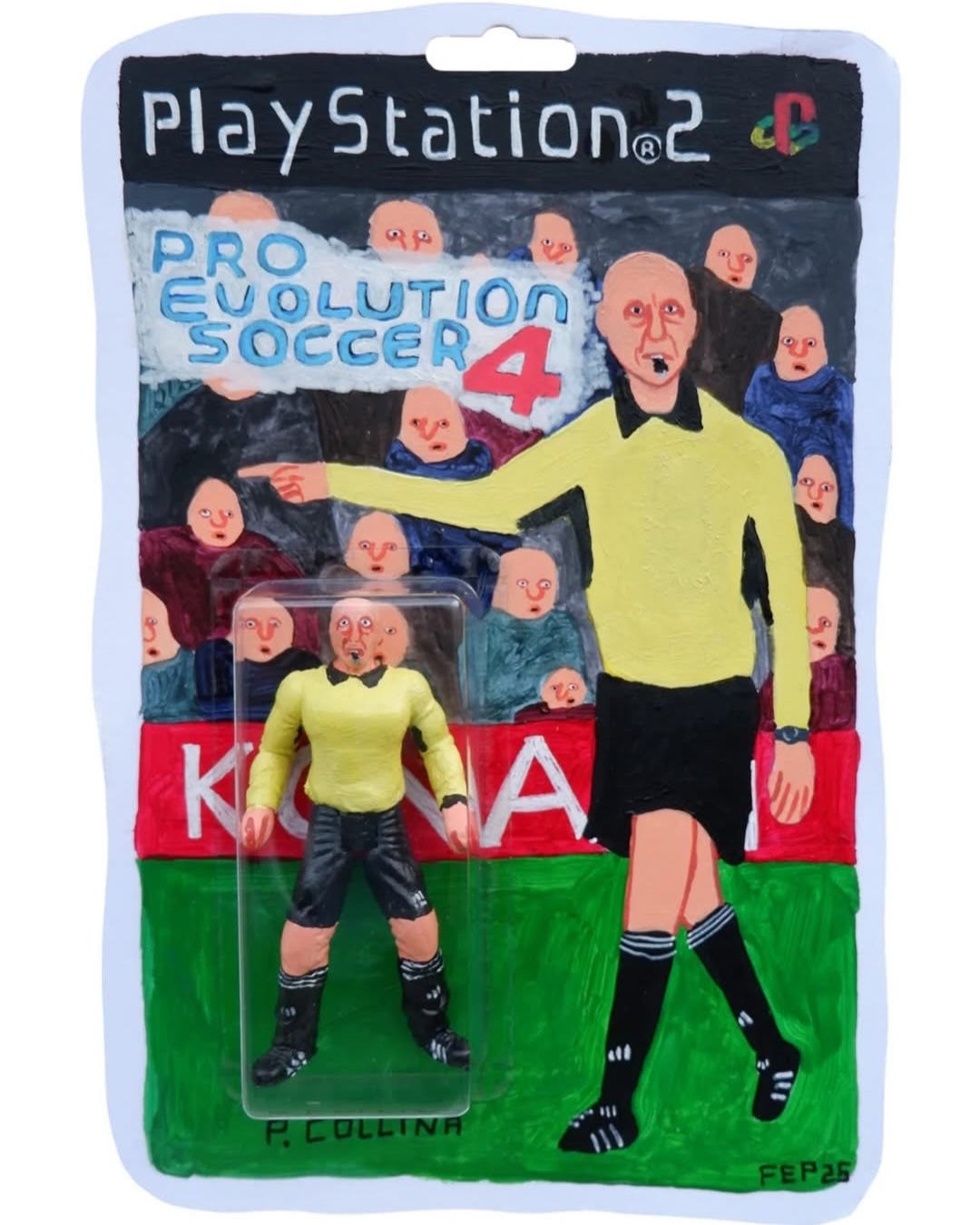
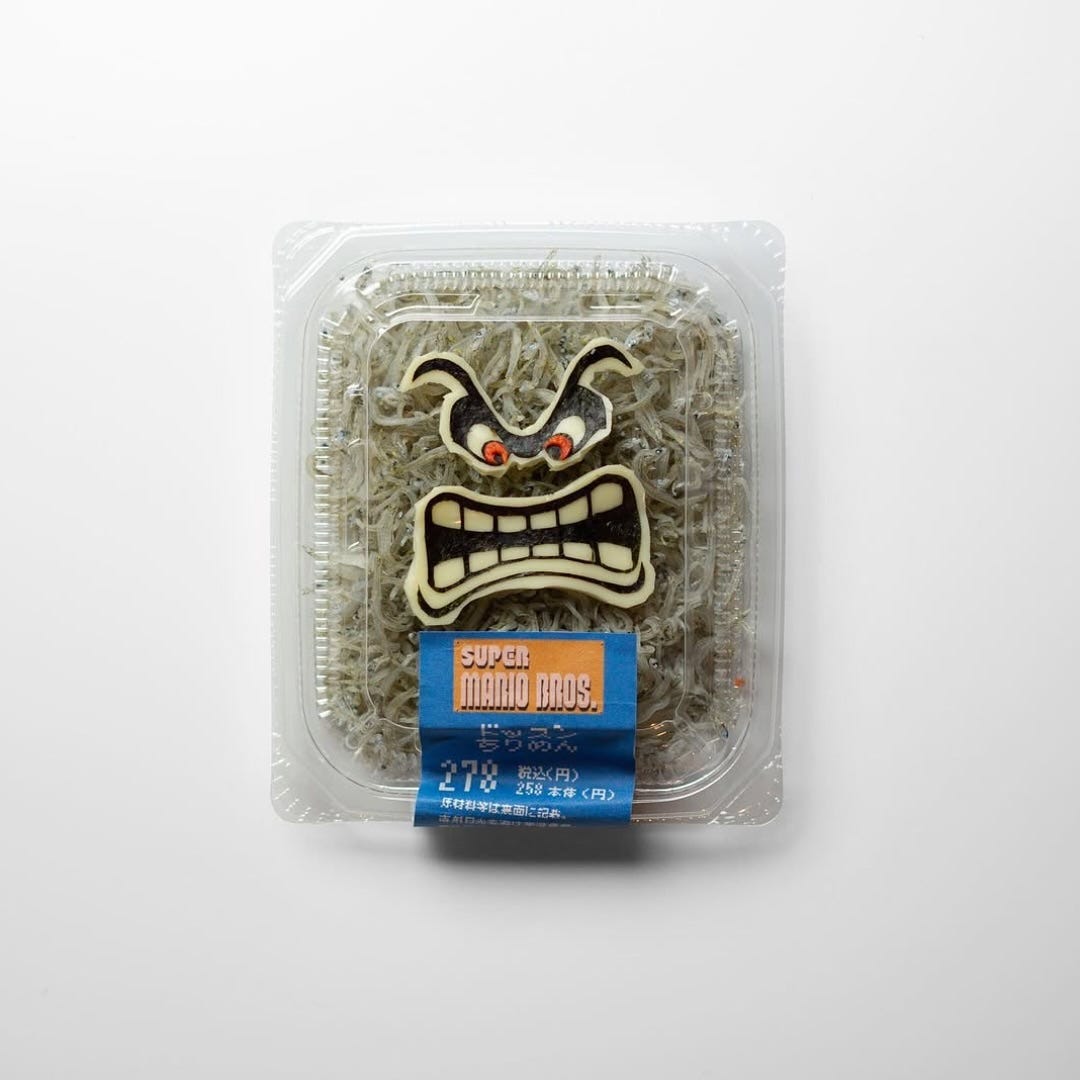
“What I find particularly interesting is that these brands aren’t necessarily treating gaming as a category of merchandise, but as a legitimate cultural reference point. Just the same as music, art, or subcultures like graffiti or skateboarding,” says Nakajima. The most compelling bootleggers push their game source material into spaces they couldn’t occupy themselves. Take Innomata’s Nintendo inspired sushi creations. What does a Game Boy look like reimagined through lunch? Why shouldn’t Mario’s Thwomp become a box of rice? These ideas pull details out of the screen and let them behave differently. They connect gaming to toy collecting, cooking and the small rituals of everyday life.
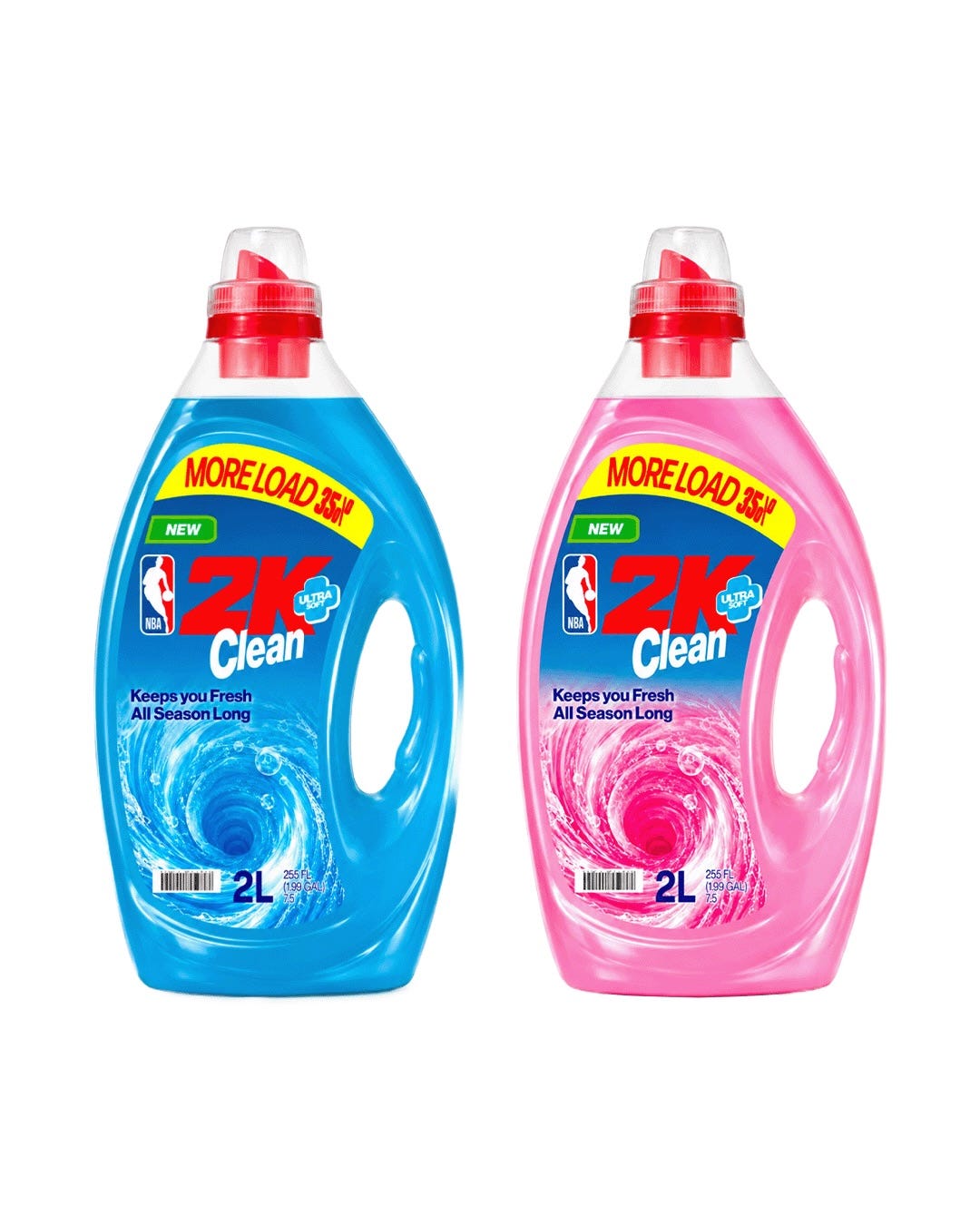
Publishers can’t do this alone. Creatives outside the organisation may spot a connection that an internal team has never considered, precisely because their relationship with the game runs through other interests. 2K have clocked this. For its recent NBA 2K release, the grocery-store concept designed by independent studio WWESH took the game into an unexpected aisle. Washing detergent. Pasta sauce. Potato crisps. Everyday packaging recast as a world of 2K products. Basketball already offers an obvious merchandise vocabulary: jerseys, sneakers, warm-up gear. A grocery store asks you to engage with the game differently. It gives the launch a setting, a sense of humour and something to discover.
That’s the value that the bootleg perspective can bring. It asks a stranger, more interesting set of questions that were never intended for the game manual.
Where Things Need To Go
Today’s bootleg scene is showing publishers which details people care about, which connections they’re making and which parts of a game still have room for surprise.
“Bootlegs will generally come from the perspective of counter-culture; very much working against those guardrails and often from brands who value cultural cache more so than mass market sell-through” says Nakajima.
For official gaming merch to break out its funk, it needs to look at bootlegs for inspiration, not a mandate to send a cease and desist. And ultimately, when they can’t beat them, they should join them. SEGA brought on HIDDEN.NY for its Jet Set Radio anniversary – and yes we got hoodies and caps (tastefully executed). But we also got these glitzy AirPod chains that SEGA couldn’t have cooked up alone.
“As we see movie studios, sports teams, and music labels continue to innovate and work with more forward thinking designers from actual apparel and fashion backgrounds, I can only hope that gaming publishers follow suit” says Nakajima
Let the people who love your games take them somewhere new.
There could well be a culturally altering unlock waiting on the other end.