

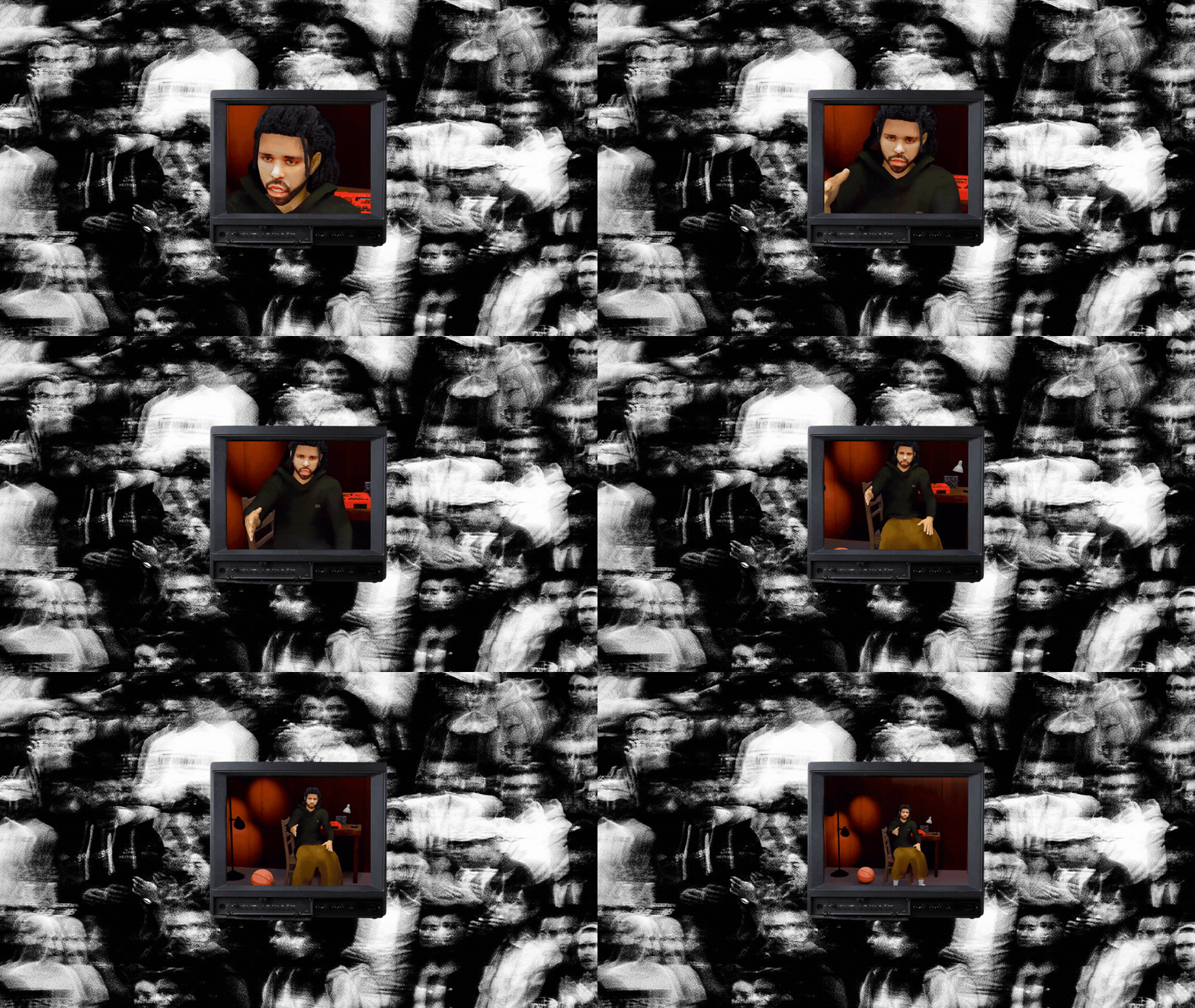
Somewhere between a beat drop and a PlayStation startup sound, there’s VinceJG — music producer, video game dev, 3D artist, and nostalgia alchemist from Hopkins, South Carolina. His work sits at the triple intersection of PS1/PS2 aesthetics, hip hop culture, and DIY retrofuturism. And he’s reclaiming an era of gaming that really propelled hip hop forward in unprecedented ways.
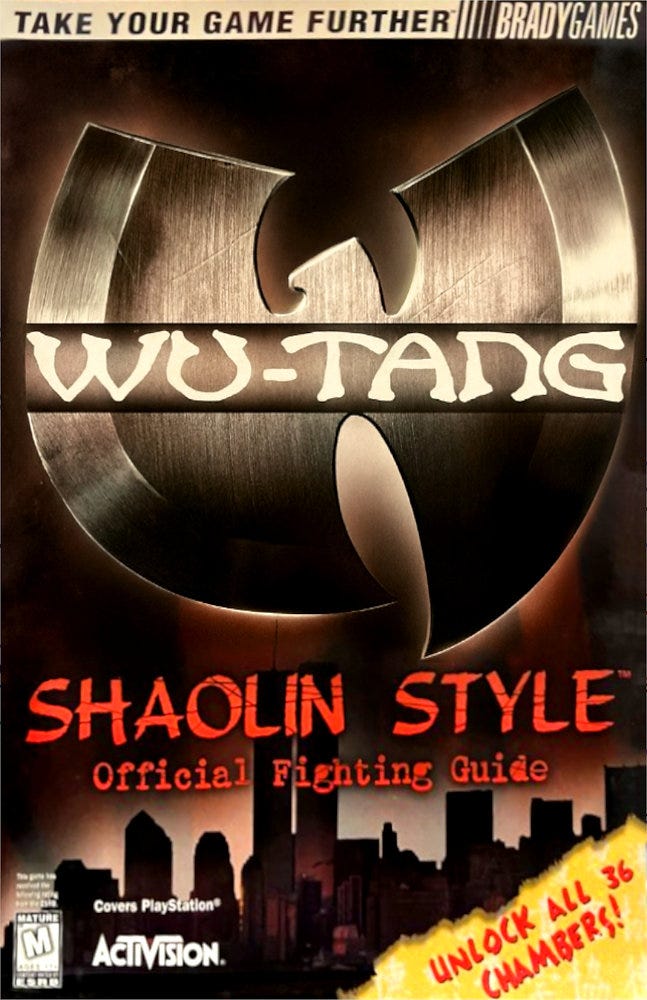
During the reign of the PS1 & PS2, hip hop was levelling up. Not just through placement on soundtracks like Grand Theft Auto or NBA Street, but through full-blown AAA games centred on the music genre. 50 Cent Bulletproof, Def Jam Fight For NY, Wu-Tang: Shaolin Style - new forms of playable storytelling were emerging from the rap echelon of the day.
VinceJG’s “Press X To Play” series — a low poly revival project where iconic music videos are re-rendered with PS1/PS2-era graphics and narrative logic – isn’t just about nostalgia, it’s some kind of augmented archaeology. Hip hop music videos become their own games - imagining a world where every artist had access to their own PS1/PS2 AAA title. Ludacris bursts through walls like a final boss in Crash Bandicoot. Missy Elliot runs through planets like she’s in a lost Mega Man level (which was indeed the point). J Cole poses in the studio like a secret unlockable character in Tekken 5.
To understand its brilliance, you have to understand the era it’s built from.
The Dedicated Hip Hop Games
The PS1 & PS2 experienced their meteoric rise into mainstream culture at the same time as hip hop throughout the 90’s and 00’s. It was only logical to clash them together. While there are many to mention, these are three that really cut through.
In 1999, the Wu-Tang Clan dropped Shaolin Style — a full-fledged fighting game with every member of the group as playable characters. With its grimy visuals, kung-fu theatrics, and original soundtrack, it was rap mythology turned martial arts fantasy. The game was based on an unreleased game called Thrill Kill, a brutal brawler that was canceled for being too violent. Wu-Tang reskinned the entire thing. It even came with its own Wu-Tang shaped controller - which is a proper grail on the second hand market.
Fast-forward a few years and Def Jam: Fight for NY arrived. A gritty fighter that combined wrestling mechanics with street aesthetics and a who’s-who roster of hip hop royalty: Ghostface Killah, Snoop Dogg, Method Man, Ludacris – even Henry Rollins as your underground fight coach. Style, aggression, and soundtrack were all baked into the mechanics. The game included an in-depth character customisation system, letting players create a fighter with style, tattoos, jewelry, and voice tone, acting out the fantasy of joining Def Jam records that many teens once had.
Then came 50 Cent: Bulletproof — a game that let you play as 50 in a fictional New York underworld, complete with G-Unit sidekicks and a plot of revenge and redemption - a “black James Bond” of sorts (as the developers referred to it themselves). The game was based loosely on 50’s real-life survival of being shot 9 times, which was also released as a movie. The screenplay was partly written by Terence Winter, a writer known for The Sopranos, adding an unusually cinematic storytelling angle for a mid‑2000s licensed title. Eminem and Dr. Dre both provided voice work for characters in the game, adding another layer of actual hip hop presence beyond 50 Cent himself. Despite panned reviews at launch — Metacritic sits in the low 50s — Bulletproof has since gained a cult nostalgic following, with players appreciating it as a time capsule of 2000s rap culture.
These weren’t just games with rappers in them. These were hip hop games. Games about the culture, shaped by the culture, sold to fans who didn’t want to just listen to their icons spit bars — they wanted to steer their stories.
The Soundtracks
If dedicated rap games were one side of the coin, the soundtrack revolution was the other. The PS2 era in particular was overflowing with titles that delivered curated hip hop experiences through in-game sound.
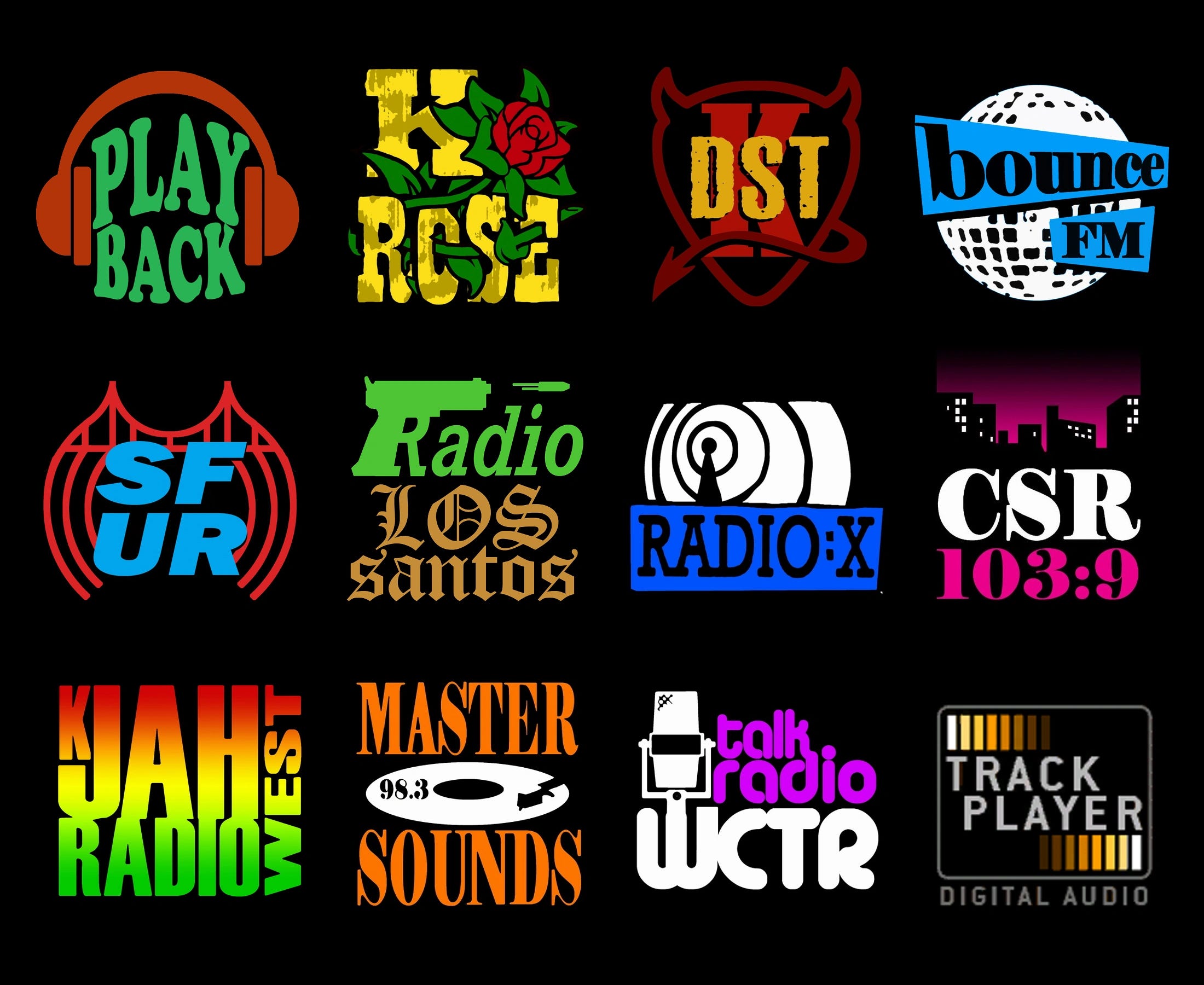
Grand Theft Auto: San Andreas deserves its own museum wing. With its sprawling open-world map, fictional West Coast lore, and Radio Los Santos pumping tracks from N.W.A., Ice Cube, and 2Pac, the game was a playable mixtape. Even if you didn’t trigger a single mission, you could cruise around in a lowrider, just listening to the antics of the radio hosts and their generationally defining music taste. Rockstar released a real-life multi-disc album of the game’s soundtrack, which charted on Billboard.
NBA Street and NFL Street weren’t just sports sims. They were stylised playground spectacles, each dunk or stiff-arm accompanied by the thump of underground tunes from Xzibit, Nappy Roots, and Lil Jon, capturing the crunk-heavy energy of early 2000s sports culture. The game leaned into street culture with no helmets, customizable gear, and flashy over-the-top play styles — like pulling off a somersault into the end zone, matching the macho energy of hip hop at the time.
SSX Tricky, while technically a snowboarding game, pushed the boundaries further — combining Y2K extreme sports with hip hop’s bravado. The pairing of Run DMC’s - It’s Tricky with SSX Tricky was a masterstroke. The song triggered during special tricks, heightening the adrenaline. It made the joystick feel like a turntable, scratching away as characters transformed into B-Boy’s and B-Girl’s, mid-air on their boards.
And of course, there were games like PaRappa The Rapper and Music 2000 that actually turned the player into the performer, which deservingly, has a whole piece on its own.
VinceJG and the Reboot of a Visual Language
Against this backdrop, VinceJG’s “Press X To Play” feels less like retro fan art and more like cultural restoration. Each PS1/PS2-style music video loop is a playable tribute to that golden fusion of hip hop and gaming. But it doesn’t stop at preservation. His visuals remix timelines, exaggerate tropes, and treat polygons as instruments of expression. Artists like Tyler, The Creator may not have made music videos in this era – but in the world of VinceJG, everyone can be booted up into the PS1/PS2 aesthetic, no matter the timeline.
VinceJG’s world bridges the vibe of Def Jam: Fight for NY, the cinematics of Bulletproof, and the modularity of San Andreas radio into a visual language all his own. The X button isn’t just a prompt to start. It’s a portal to a golden era that “once was” and “could have been” at the same time.
Today as AI engines like Genie3 generates music videos and games in eerily perfect form, VinceJG takes us back to a time when things were gloriously blocky, emotionally raw, and weird in all the right ways. Through his work, the cultural bond between hip hop and gaming isn’t just remembered, it’s reimagined.
So go ahead, Press X, and reboot a memory that’s half lived and half fantasy.