

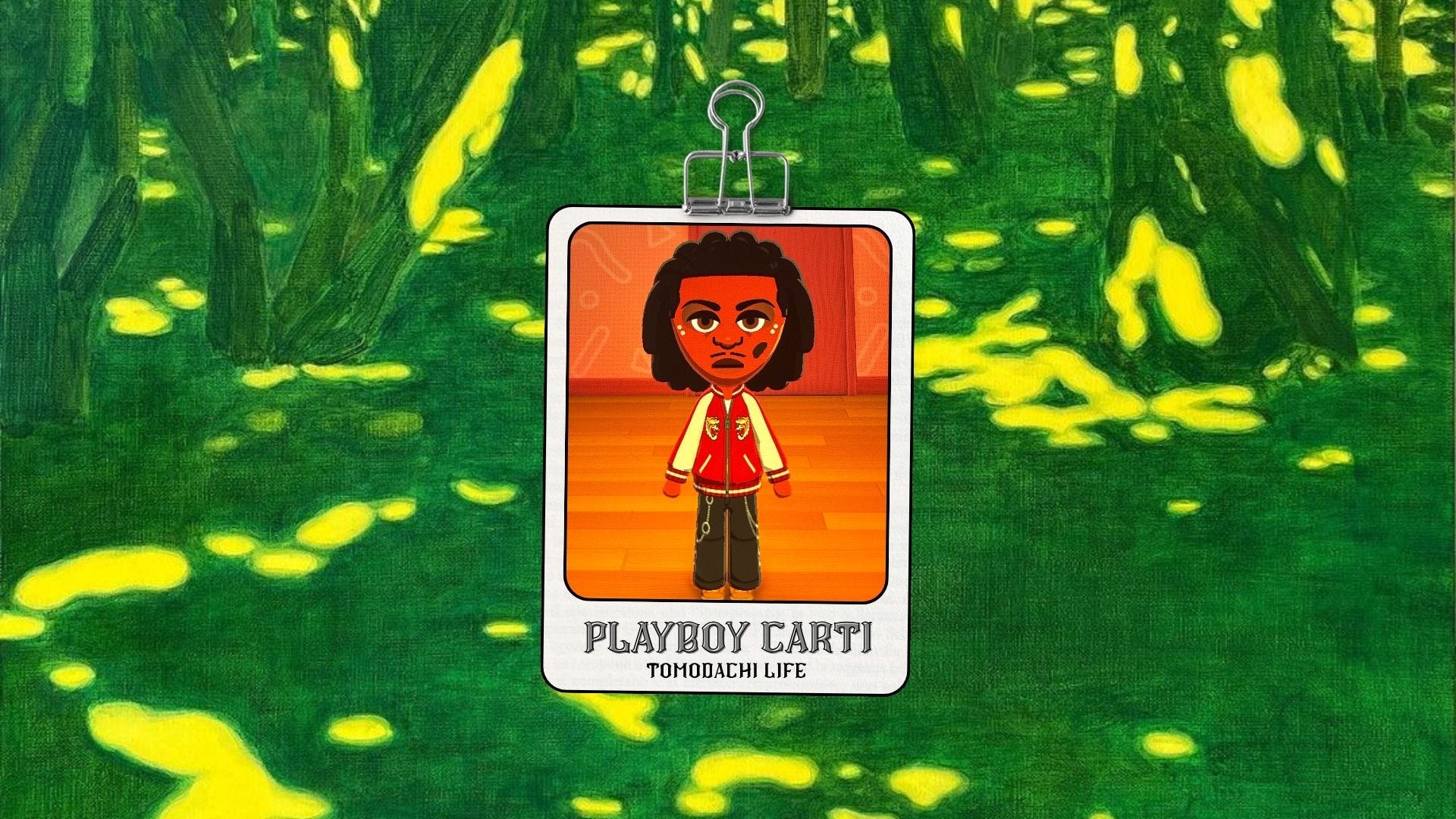
Tomodachi Life: Living The Dream has not so much arrived as waddled onto an island alongside Walter White and the cast of Breaking Bad to play Twister with Michael Jackson whilst wearing a cursed Garfield sweater. Excuse me?
No, this isn’t peak brain rot. It’s actually Nintendo’s biggest game of the year. And it’s only existed for the best part of a month. Before we dive in, let’s set the scene with a few flabbergasting numbers:
Released on April 16, 2026, the game sold over 3.8 million units globally. It’s already No. 42 in the Nintendo Switch’s best-selling games of all time, beating out other juggernauts like Paper Mario: The Origami King and Pikmin 4. It’s already outsold Mario Kart World on Switch 2, which sits at 2.9 million copies sold, including digital copies bundled with Switch 2 hardware when first sold. Japan in particular has gone full Tomodachi fever dream. In its debut week, the game sold 565,405 physical copies, while the second-place title, Pragmata on PS5, sold 36,470. That is roughly 15.5 times higher than the next best-selling game. TikTok has become a rolling theatre of Mii melodrama, with 78.2 million posts tied to “Tomodachi Life” at the time of writing.
Not a bad debut.
So what does this have to do with fashion? As we know well, fashion goes where culture is. Everything from the Super Bowl to Coachella have become vessels for some of fashion’s biggest moments. So as Tomodachi Life: Living The Dream becomes the new “it” game, it’s only a matter of time before they come flocking.
But first, what is it?
Tomodachi Life: Living The Dream is a life simulation game about placing Mii characters (more on this below) on an island and watching them form friendships, fall in love, fight, perform, gossip, eat, dress up and generally behave like tiny unlicensed reality TV contestants. Anything is possible and almost anything is customisable.
It sits somewhere between The Sims, Animal Crossing and Tamagotchi – but supercharged. In a surprising move, the normally conservative Nintendo decided to leave next to no restrictions to how players can express themselves on the game. This has helped set the internet alight with everything from David Lynch Mii’s to and entire New York Knicks island takeover.

Where did it all come from?
While Tomodachi Life: Living The Dream has had games on the Nintendo DS, the emotional origin is really the Nintendo Wii. That is where Mii’s first came into existence as playable avatars. But they became more than that. They became family members, celebrity bootlegs, villains or botched versions of your school teachers. By 2011, 213.8 million Mii characters had been created worldwide. If Mii’s formed a country they would have had the fifth largest population in the world, above Brazil, Nigeria and Pakistan at the time.
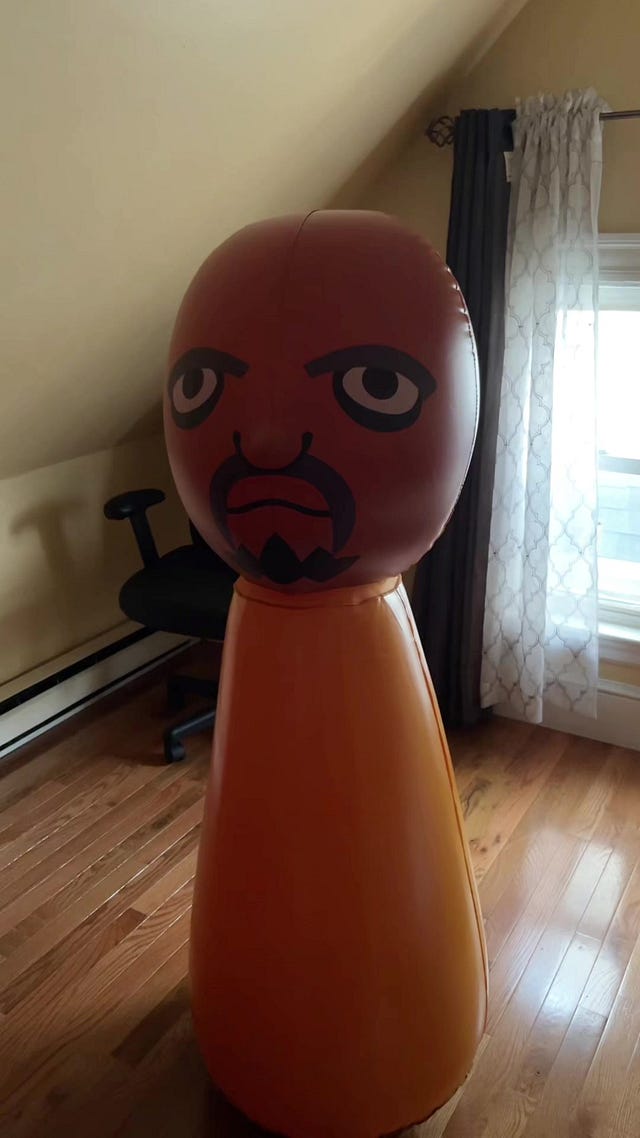
Mii’s are one of the earliest mainstream examples of avatar culture becoming personal, social and weirdly intimate. Before Minecraft, Roblox or even Bitmoji, there was the Mii with low fidelity yet high attachment. Some of them have become cult-like figures. Matt - one of the default Mii’s on Wii Sports series, became legendary for his role as the nearly unbeatable boxing champion and swordplay master. His status grew from an impossible boss into an ongoing meme today where he’s depicted as a “god-tier” entity.
 Tiktok failed to load.
Enable 3rd party cookies or use another browser
Tomodachi Life: Living The Dream understands the Mii-thology and the power of user generated content (UGC). Games like Roblox and Minecraft have built entire ecosystems around UGC. Ryutaro Takahashi, the developer behind the game, wanted to create “the ultimate inside joke game”, where everyone had the freedom to build whatever they pleased. And that they did.
The game thrives on social casting. Players fill islands with friends, exes, celebrities, fictional characters, streamers, pop stars, footballers and sprinkles in a layer of reality TV. It adds proximity and waits for chaos. A Mii version of Zara Larsson can date a Mii version of your dog, if you truly wish. It is lore in the group chat sense: stupid, specific, and somehow unforgettable.
This is where it goes beyond predecessors like Animal Crossing: New Horizons. This became the pandemic’s digital village square because it let people decorate, gather and perform taste when the real world had been put on pause. Meanwhile, Tomodachi Life: Living The Dream feels built for a different cultural moment: we aren’t collectively dreaming of a life outside, we’re questioning the very idea of a dream state in a world full of colliding narratives.
And that collision course is the perfect place for fashion to foster.
Nintendo understood this. The custom clothing tools run deep. And the players are already running with it. TikTok is already filled with tutorials on how to make the most of these tools. This all rings a bell. Animal Crossing: New Horizons started the same way, and then suddenly everyone from Valentino to Marc Jacobs made an appearance in the game, turning it into “fashion’s new catwalk” during the pandemic.
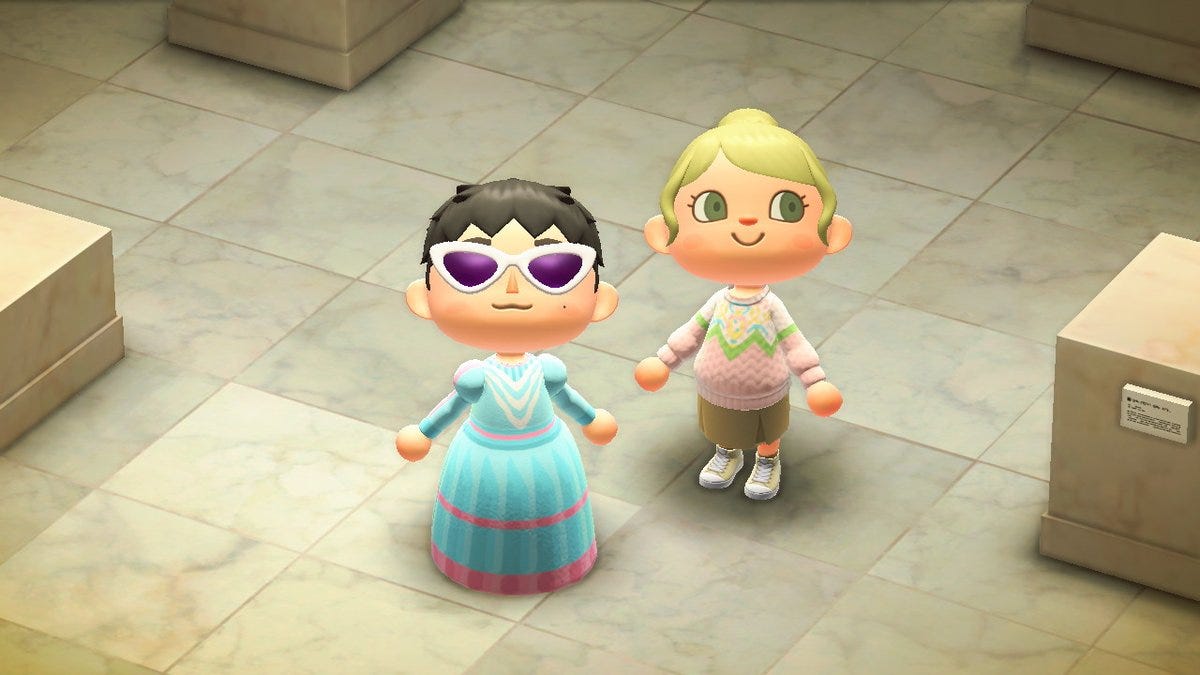
That is why fashion brands should be paying attention.The first-mover advantage here is wide open. No brand has properly jumped on Tomodachi Life: Living The Dream yet. Imagine matching Sandy Liang bows for your first romantic picnic between Mii-Handsome-Squidward and Mii-Tung-Tung-Tung-Sahur and then swapping them into some Palace tracksuits for a 4AM warehouse rave. Deranged, yet fitting.
Fashion brands are always looking for the next place where identity is being performed. Right now, one of those places is in fact a virtual island.